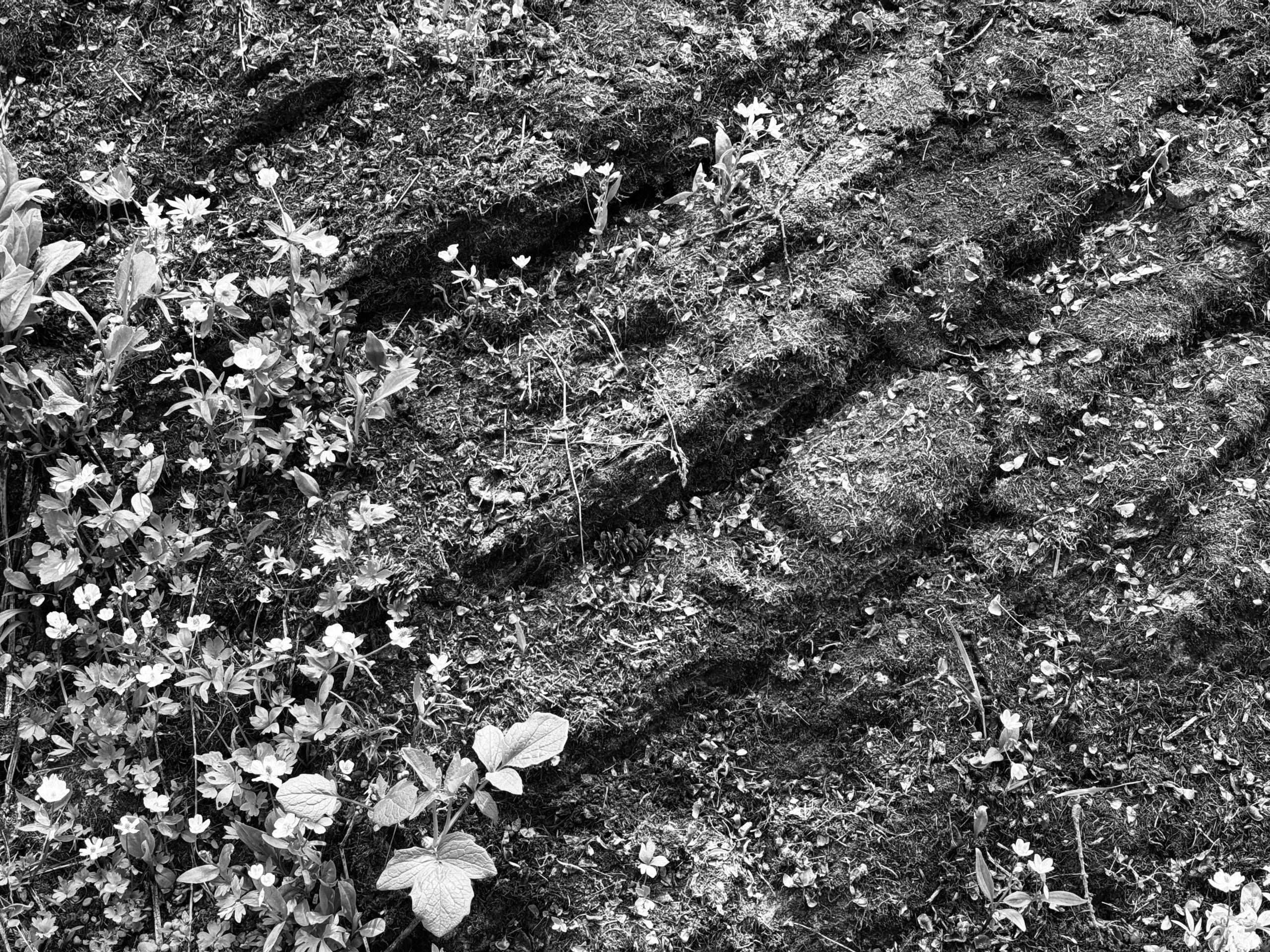
Sometimes—especially recently—when I’m making something to put online I pause to ask myself how many people will mistake this for AI.
No, I don’t ask if people will mistake it—they definitely will.
Rather I wonder how many will mistake it. What percentage of the people who read these words, admire my photos, or watch a video I tossed up onto YouTube will question its authenticity as content created by a human?
I am a human. Last I checked, anyhow.
The stuff I make comes out of effort by a real person—me—and through that effort I work to find a quality of presentation and production that makes an audience want to actually consume the results of said effort. I want what I make to look good, sound good, read well, and seem like I put thought and love into making it.
Even these words took real effort: I set myself up with an idea, plotted out a direction, wrote, edited, wrote more, sat on it for a few days, edited again, and eventually pushed the publish button. It’s meant to seem well-crafted, honed, and at least semi-professional. And I think it is.
But the other day I was snapping photos and I got some water on the lens. When I got back home and looked at a few otherwise great shots there was a blurry spot where the rain drop had occluded the clarity of image and left a permanent smudge on the final digital photo.
Do you know what my first reaction was? I thought to myself, well, at least now people will probably believe a real person took that photo.
My gut reaction to something that I messed up creating, or at least created imperfectly, was to think it added to the authenticity equation.
—at least right now, until someone outthinks that and adds rain drop smudges to their generative pics, my little field error thus became a mark of the humanity behind the lens. And it’s so strange that I need to think like that—but the new math of an internet stuff with fake everything is to calculate the fingerprints, or sometimes rain drops, of our own humanity inside that equation.